Promo code APP3 – € 3 discount on your first order in app
  Free delivery for orders over € 49













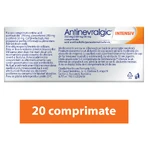


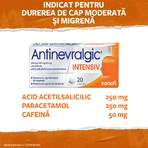

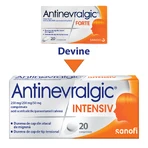
Description
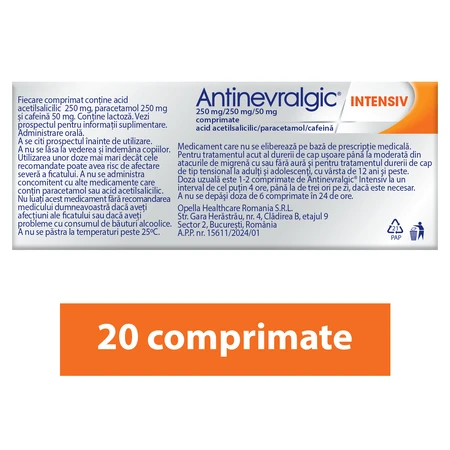
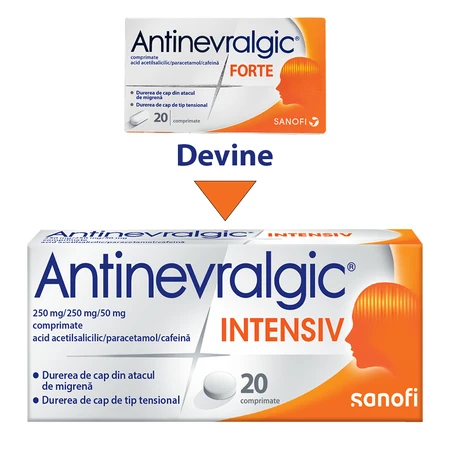
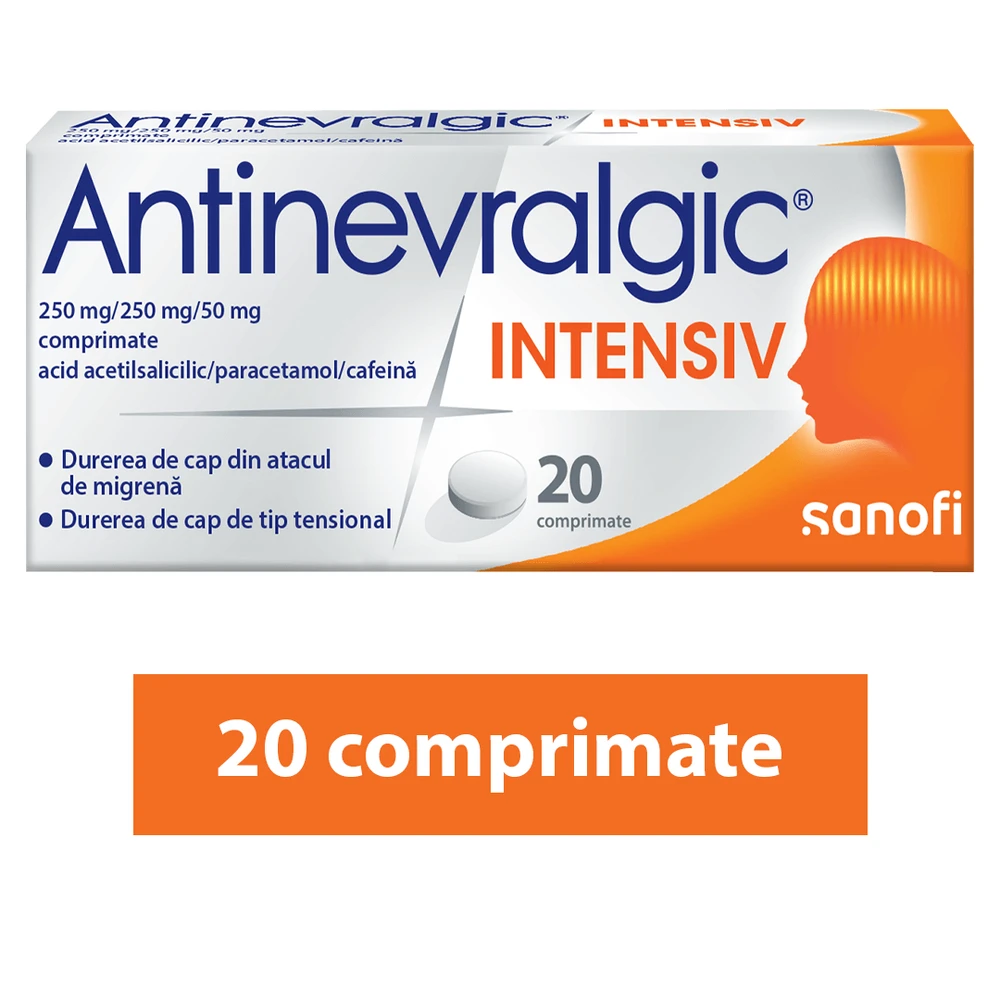
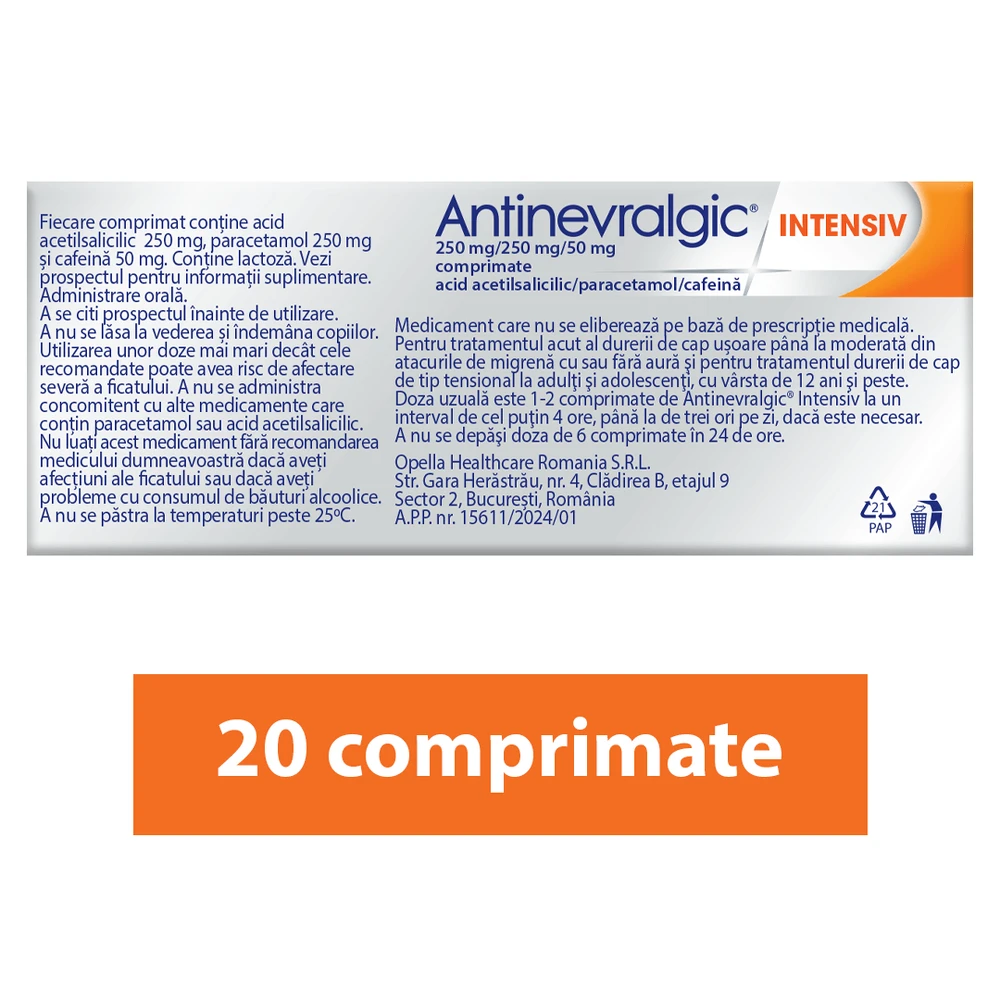
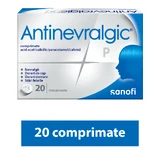
Antinevralgic Intensiv 250mg/250mg/50mg x 20cpr Sanofi
acetylsalicylic acid/paracetamol/caffeine
Read this leaflet carefully and completely before you start taking this medicine because it contains important information for you.
Always take this medicine as directed in this leaflet or as directed by your doctor or pharmacist.
Keep this leaflet. You may need to re-read it.
Ask your pharmacist if you need more information or advice.
If you experience any side effects, contact your doctor or pharmacist. These include any possible side effects not mentioned in this leaflet. See point 4.
If after 3-4 days you do not feel better or if you feel worse, you should consult a doctor.
What you find in this leaflet:
What is Antineuralgic Intensiv and what it is used for
What you need to know before taking Antineuralgic Intensiv
How to take Antineuralgic Intensive
Possible side effects
How to store Antineuralgic Intensive
Package contents and other information
What is Antineuralgic Intensiv and what it is used for
Antineuralgic Intensiv is an analgesic, reduces fever and is a medicine with an anti-inflammatory effect (non-steroidal anti-inflammatory/analgesic).
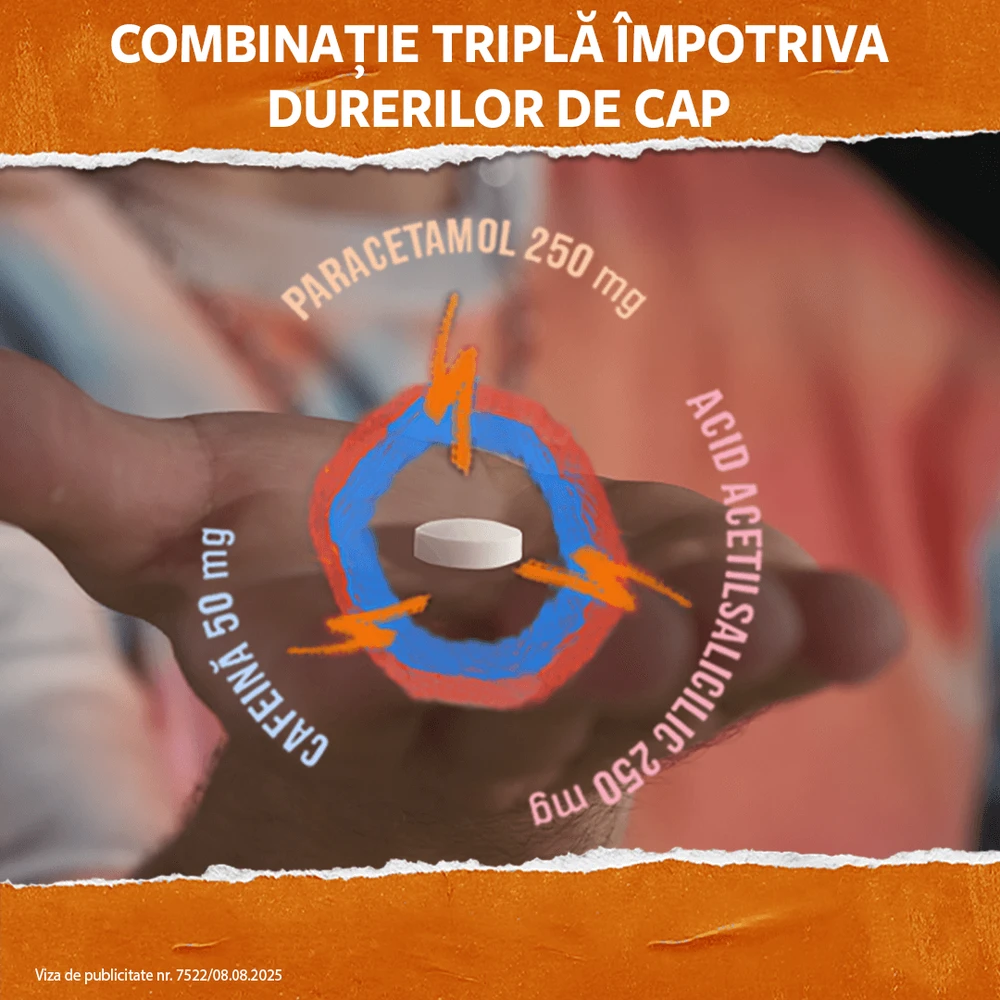
Antineuralgic Intensiv contains three active substances: paracetamol, acetylsalicylic acid and caffeine. Paracetamol relieves pain and reduces fever. Acetylsalicylic acid relieves pain, reduces fever and has anti-inflammatory effects. Caffeine counteracts the symptoms of fatigue, promotes motivation and mental performance. It shortens the time until the onset of action of acetylsalicylic acid and paracetamol and also potentiates their effects.
This combination of active substances has an additive effect as an analgesic and as a medicine that reduces fever. Therefore, this combination decreases the amount of painkillers needed.
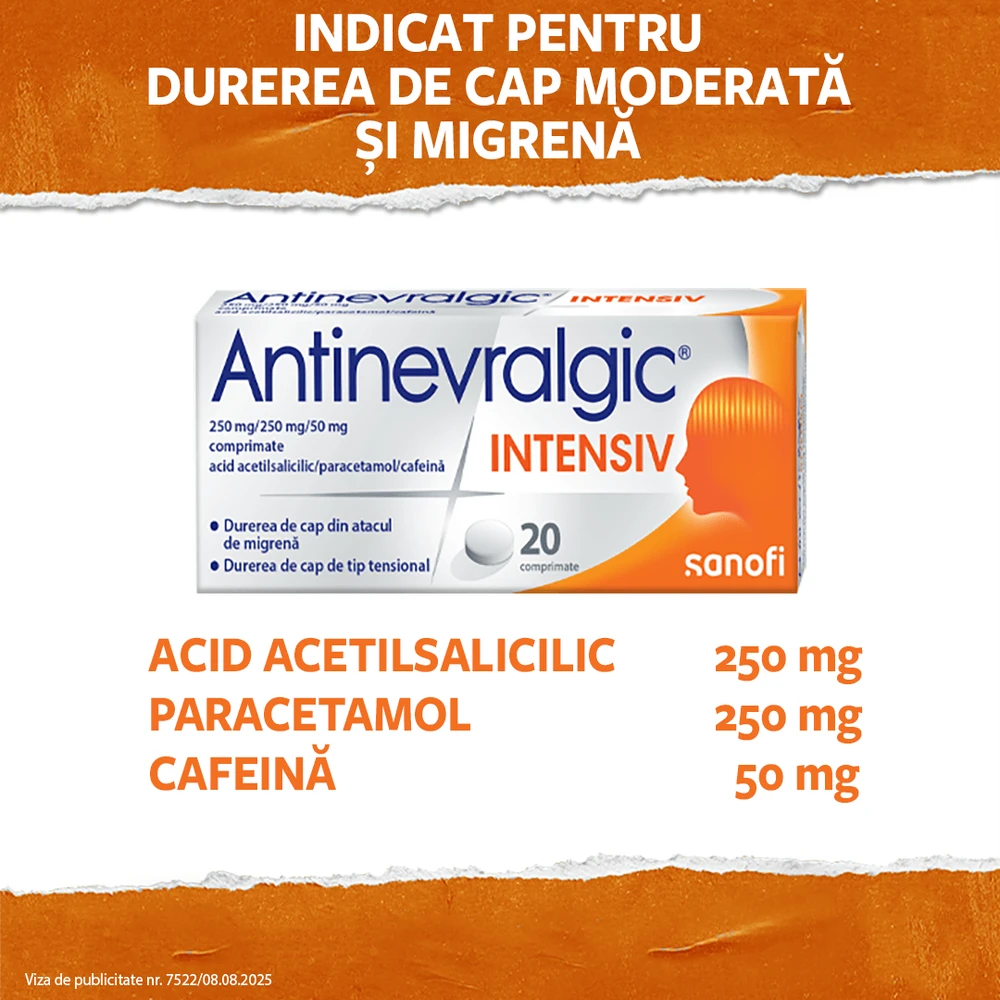
Antineuralgic Intensiv is intended for use in adults and adolescents aged 12 years and over, to treat:
acute headache of mild to moderate intensity from migraine attacks with or without aura
tension type headache.
A migraine headache may be accompanied by other symptoms, such as feeling or feeling sick
(nausea or vomiting) and sensitivity to light and sounds. Migraine attacks can be 'announced' by aura (a warning sensation that usually involves visual distortions such as bright flashing lights, zig-zag lines, bright spots or waves).
A tension-type headache is the most common type of headache. The pain is often described as a constant pressure, as if the head is being held in a vise, and is often present on both sides of the head at the same time.
1
If after 3-4 days you do not feel better or if you feel worse, you should consult a doctor.
What you need to know before taking Antineuralgic Intensiv
Do not take Antineuralgic Intensive if you
- you are allergic to paracetamol, acetylsalicylic acid, caffeine or any of the other components of this medicine (listed in point 6),
- you are allergic to salicylates or other non-steroidal anti-inflammatory drugs (drugs used to reduce pain, fever or inflammation), which may manifest as asthma, swelling of the nasal mucosa (nasal polyps), swelling of the face, tongue, larynx (angioedema) or skin rash (hives),
- you have an active gastric or intestinal ulcer,
- you have severe liver, kidney or heart problems,
- you have an increased tendency to bleed (e.g. hemophilia),
- you are using methotrexate (a medicine used to treat rheumatoid arthritis, psoriasis or various types of cancer), in doses of 15 mg or more per week,
- you are in the last three months of pregnancy,
- your child is under 12 years old,
- you are under 17 years of age and at the same time have a viral illness accompanied by fever (chicken pox or flu-like illnesses) due to the risk of Reye's syndrome (see section 3, "Use in children and adolescents").
Warnings and precautions
Before taking Antineuralgic Intensiv, talk to your doctor or pharmacist if:
- you have asthma (difficulty breathing), "hay fever", swelling of the nasal mucosa (nasal polyps) or other allergy symptoms,
- have you ever had a stomach or intestinal ulcer,
- you have or have had stomach or intestinal problems, bleeding (you have vomited and it contains blood or particles that look like coffee grounds, you have had bloody stools or soft black stools) or perforations (holes in your bowel),
- you have kidney, heart or liver function disorders (for example, chronic alcohol consumption or inflammation of the liver),
- you have a hereditary condition called glucose-6-phosphate dehydrogenase deficiency or Gilbert's syndrome,
- you have low glutathione reserves,
- you have an overactive thyroid gland (hyperthyroidism),
- you are going to have an operation or other surgical intervention (including for example a tooth extraction),
- you have gout (in some patients the use of acetylsalicylic acid can trigger a gout attack),
- suffer from an anxiety disorder (risk of exacerbation),
- you have mastocytosis (disorder of the immune system),
- you have heart arrhythmia (risk of increased heart rate (tachycardia) or an increase in the number of extra heartbeats (extrasystoles)).
If signs of an infection recur or worsen while taking this medicine, see a doctor immediately.
Regular administration of analgesics can lead to a permanent decrease in kidney function, with the risk of kidney failure (analgesic nephropathy).
Antineuralgic Intensiv may affect the results of some analyses. If you have blood tests, urine tests, thyroid function tests or other laboratory tests, tell the medical staff that you are taking Antineuralgic Forte.
2
You should avoid taking painkillers often if you suffer from:
- diabetes mellitus (diabetes),
- alcoholism,
- dehydration (e.g. caused by diarrhoea, very hot weather, excessive physical training with severe sweating),
- chronic low blood pressure,
- severe injuries,
- if you are taking treatment for rheumatism.
Long-term use/improper use
The long-term use, in high doses, of Antineuralgic Forte, without being in accordance with the recommendations, can cause headaches, which cannot be treated with increased doses of this medicine. If you are in this situation, you should stop taking this medicine and contact your doctor.
Antineuralgic Intensiv together with other medicines
Tell your doctor or pharmacist if you are taking, have recently taken or might take any other medicines.
Do not take Antineuralgic Intensiv if you are also using other pain relievers or fever reducers containing paracetamol or acetylsalicylic acid.
Talk to your doctor before taking this medicine, especially if you are using/being given any of the following medicines:
- methotrexate (used to treat rheumatoid arthritis, psoriasis or certain types of cancer, see point 2, "Do not take Antineuralgic Intensiv if you").
- medicines associated with the risk of bleeding, eg medicines used to prevent blood clots (eg coumarin derivatives – warfarin, heparin), antiplatelet medicines such as ticlopidine, medicines that dissolve blood clots (thrombolytic medicines).
- non-steroidal anti-inflammatory drugs (used to reduce pain, fever or inflammation) such as ibuprofen.
- medicines used to treat diabetes (including insulin).
- medicines that help you sleep.
- medicines used to treat epilepsy (eg valproic acid, lamotrigine, phenobarbital, phenytoin, carbamazepine, topiramate).
- medicines used to treat depression or other mental problems (fluvoxamine or other selective serotonin reuptake inhibitors, lithium, clozapine).
- medicines to treat gout (probenecid, sulfinpyrazone, benzbromarone).
- diuretic drugs (to increase urine output).
- medicines to treat heart problems (digoxin).
- medicines used to treat high blood pressure.
- some antibiotics or antifungal medicines (chloramphenicol, rifampicin, quinolone antibiotics such as ciprofloxacin or norfloxacin).
- flucloxacillin (antibiotic), because of a major risk of blood and fluid abnormality (metabolic acidosis with high anion gap) which needs to be treated urgently and which can occur especially in severe kidney failure, sepsis (when bacteria and their toxins circulate in the blood, leading to organ damage), malnutrition, chronic alcoholism and if maximum daily doses of paracetamol are used.
- steroid hormones (corticosteroids).
- medicines to treat an underactive thyroid gland (levothyroxine).
- medicines that decrease stomach emptying (propantheline).
- medicines used to treat nausea and vomiting (metoclopramide, domperidone).
- 3
- decongestants, cold and flu medicines containing phenylpropanolamine or substances from the ephedrine group.
- medicines used for the treatment of bronchial asthma and breathing difficulties (theophylline).
- anti-ulcer drugs (cimetidine).
- oral contraceptives.
- drugs used to treat alcoholism (disulfiram).
- zidovudine (used to treat HIV infection).
- isoniazid (used to treat tuberculosis).
- medicines used to lower the concentration of cholesterol in the blood (cholestyramine).
- medicines used to prevent rejection of the transplanted organ after transplantation (cyclosporine, tacrolimus).
- other drugs that can have a toxic effect on the liver.
- the varicella (chicken pox) vaccine, for a period of 6 weeks after its administration.
- medicines used to treat glaucoma (acetazolamide).
- nicorandil (medicine used to treat chest pain (angina pectoris)).
- tenofovir (medicine used in the treatment of HIV infection or chronic hepatitis B).
- metamizole (a substance used to reduce pain and fever) can reduce the effect of acetylsalicylic acid on platelet aggregation (blood cells that stick together to form a blood clot) when these medicines are taken together. Therefore, this concomitant administration should be performed with caution in patients using low doses of acetylsalicylic acid for cardioprotection.
Antineuralgic Forte with food, drink and alcohol
If you have indigestion while taking Antineuralgic Forte, take the dose during meals.
Alcohol consumption should be avoided during treatment with this medicine.
Reduce the intake of medications and consumption of foods or beverages containing caffeine while using Antineuralgic Intensiv. Too much caffeine can cause nervousness, irritability and increased heart rate.
Pregnancy, breastfeeding and fertility
If you are pregnant or breast-feeding, think you may be pregnant or are planning to become pregnant, ask your doctor or pharmacist for advice before taking this medicine. You should not use Antineuralgic Intensiv if you are in the last three months of pregnancy.
If you are in the first 6 months of pregnancy, consult your doctor before taking this medicine. Do not use this medicine unless your doctor specifically recommends it. If you are advised to take this medicine during the first 6 months of pregnancy, you should use the lowest possible dose that reduces your pain and use it for the shortest possible time. Ask your doctor if the pain is not reduced or if you need to take the medicine more often.
Antineuralgic Intensiv should not be used during breastfeeding for a long period of time or in large doses.
The drug belongs to a class of drugs that can reduce fertility in women. This effect is reversible when the treatment is stopped.
Driving vehicles and using machines
You should not drive or use machines if you experience side effects such as drowsiness, visual disturbances, dizziness or balance disturbances.
Antineuralgic Intensiv contains lactose
If your doctor has warned you that you have an intolerance to some categories of carbohydrates, please ask him before taking this medicine.
4
How to take Antineuralgic Intensive
Always take this medicine exactly as described in this leaflet or as your doctor or pharmacist has told you. Talk to your doctor or pharmacist if you are not sure.
Unless otherwise prescribed by your doctor, the recommended dose for adults and adolescents aged 12 years and over is 1-2 tablets taken at intervals of at least 4 hours, up to three times a day if necessary.
The maximum daily dose should not exceed 6 tablets in any 24-hour period.
Tablets should be dissolved in a small amount of liquid or swallowed whole (without chewing) with a sufficient amount of liquid.
Do not take this medicine for more than 3-4 days, unless it has been recommended by your doctor or pharmacist.
Use in patients with impaired kidney or liver function
Ask a doctor for a dose adjustment before you start taking this medicine. After examining your health, the doctor may recommend reducing the dose or increasing the interval between individual doses to more than 4 hours.
Use in children and adolescents
This medicine is intended for use in adolescents aged 12 years and over. Antineuralgic Intensiv should not be used to treat children and adolescents under the age of 17 who have viral diseases accompanied by fever (for example, vomiting from the wind).
If a child or teenager shows the following symptoms at the same time as a febrile illness, contact your doctor or go to a hospital immediately:
- vomiting
- headaches
- loss of consciousness
These may be signs of Reye's syndrome, a very rare but in some cases fatal disease that requires immediate medical treatment.
If you take more Antineuralgic Intensive than you should
Seek emergency medical attention immediately if you have taken more Antineuralgic Intensiv than prescribed or if a child has accidentally taken this medicine. Seek emergency medical attention even if you (or your child) feel well, as there is a risk of serious delayed liver damage.
If you forget to take Antineuralgic Intensiv
Do not take a double dose to make up for a missed dose. Take the next dose as soon as you remember, but keep an interval of at least 4 hours between doses. Do not take more than 6 tablets in a 24-hour period.
If you have any further questions about this medicine, ask your doctor or pharmacist.
Possible side effects
Like all medicines, this medicine can cause side effects, although not everybody gets them.
5
Seek emergency medical attention if you experience any of the following side effects:
- anaphylactic shock (a very serious allergic reaction with symptoms such as dizziness, loss of consciousness, breathing problems, swelling of the tongue or airways, blue discoloration of the skin, etc.)
- angioedema (sudden swelling of the tissue below the surface of the skin).
- recurrence or worsening of signs of an infection.
- very rarely serious skin reactions have been reported (Stevens-Johnson syndrome, toxic epidermal necrolysis, acute generalized exanthematic pustulosis). These reactions can involve ulcers in the mouth, throat, nose, genitals and conjunctivitis (red and swollen eyes). Serious skin rashes are often preceded by fever, headache, body aches (flu-like symptoms). The rash may progress to blistering and peeling of the skin over large areas.
- bleeding from the gastrointestinal tract (such as vomiting blood, tarry black stools or abdominal pain).
The following list of side effects also includes side effects seen in patients who have taken high-dose, long-term treatment with acetylsalicylic acid (one of the active components of Antineuralgic Forte) to treat symptoms of rheumatism. The probability of the occurrence of gastrointestinal disorders is greater when taking higher doses of Antineuralgic Forte.
Common (may affect up to 1 in 10 people)
- dizziness;
- abdominal pain, stomach pain, indigestion, feeling sick (nausea), feeling sick (vomiting), heartburn;
- occult bleeding (blood present in the faeces, which is not visible to the naked eye, but which is detected by laboratory tests).
Uncommon (may affect up to 1 in 100 people)
- increased and irregular heart rate (palpitations);
- allergic reactions on the skin (hypersensitivity, itching or hives);
Rare (may affect up to 1 in 1,000 people)
- feeling restless (agitation), shaking (tremor), feeling dizzy or "spinning" (vertigo), feeling sick (malaise);
- acceleration of the heartbeat (tachycardia);
- hypersensitivity reaction, which may include shortness of breath, low blood pressure, shock, swelling, redness of the skin, or serious skin reactions, including erythema multiforme;
- inflammation of the esophagus, stomach or intestinal ulcers;
- excessive sweating (hyperhidrosis);
- bleeding that can eventually lead to anemia (a decrease in the normal number of red blood cells, with symptoms such as general malaise, white skin, drowsiness, etc.);
- change in liver function, which can lead to changes in blood tests.
Very rare (may affect up to 1 in 10,000 people)
- feeling nervous, shaking or sweating, these can be signs of low blood sugar concentration (hypoglycemia);
- perforation (hole) or tear in the digestive tract;
- kidney failure;
- changes in the number of blood cells (signs include purple, round, painless, pinprick-sized spots on the skin, sometimes clustered in larger areas, bleeding gums, nosebleeds or bruises, with minor trauma, general malaise, weakness or increased risk of infection);
6
hives, difficulty breathing or wheezing (bronchospasm), in patients who have allergic reactions to medicines to treat pain, fever and inflammation.
Not known (frequency cannot be estimated from the available data)
blood disorders (changes in the number of blood cells, for example low numbers of red and white blood cells or platelets. Blood disorders can manifest as bleeding into the skin - purple, punctate, round, painless spots on the skin, which sometimes merge into larger spots, bleeding gums, nosebleeds or bruising after minor trauma, increased susceptibility to infection, tiredness, pain in the head, prolonged bleeding time), which may persist for more than 4 – 8 days after taking Antineuralgic Forte, low production of blood cells in the bone marrow;
excess acid in the blood caused by too much pyroglutamic acid, due to low glutathione levels.
visual impairment, hearing impairment or ringing in the ears;
inflammation in the stomach, small or large intestine;
inflammation of the liver, which can lead to acute failure of liver functions, liver damage;
long-term inflammation of the liver, which causes yellowing of the skin and eyes (chronic hepatitis),
renal failure;
drug-induced skin rash;
inflammation of blood vessels (vasculitis);
bleeding that can be fatal in isolated cases;
acute inflammation of the pancreas in the context of an allergic reaction;
liquid in the lungs (with long-term use of Antineuralgic Forte and in conditions of a hypersensitivity reaction).
In some cases, an aggravation of inflammations caused by infections has been described as being closely related to the use of pain, fever and inflammation medicines (NSAIDs, a group that also includes Antineuralgic Forte).
The caffeine in this medicine may cause insomnia and stomach upset.
Adverse reaction reporting
If you experience any side effects, contact your doctor or pharmacist.
These include any possible side effects not mentioned in this leaflet. You can also report
adverse reactions directly to the National Agency of Medicines and Medical Devices in Romania
Str. Aviator Sănătescu no. 48, sector 1
Bucharest 011478- RO
e-mail: [email protected]
Website: www.anm.ro
By reporting side effects, you can help provide additional information about the safety of this medicine.
How to store Antineuralgic Intensive
Keep this medicine out of the sight and reach of children.
Do not use this medicine after the expiry date which is stated on the carton. The expiry date refers to the last day of the respective month.
Store at temperatures below 25°C, in the original packaging to protect from moisture.
Do not throw any medicine into water or household waste. Ask your pharmacist how to dispose of medicines you no longer use. These measures will help protect the environment.
Package contents and other information
7
What does Antineuralgic Forte contain?
The active substances are acetylsalicylic acid, paracetamol and caffeine. Each tablet contains acetylsalicylic acid 250 mg, paracetamol 250 mg and caffeine 50 mg.
The other ingredients are: lactose monohydrate, corn starch, colloidal anhydrous silicon dioxide
and stearic acid.
What Antineuralgic Intensiv looks like and the contents of the packaging
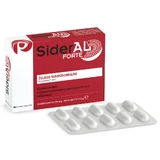
The tablets of Antineuralgic Intensiv are oblong, biconvex, white to almost white, 16 x 8 mm in size, without a median line.
The tablets are packed in an opaque PVC-PVdC/Al blister or in an opaque PVC-PVdC/Al-paper blister.
The secondary packaging is a cardboard box.
Pack sizes: 10, 12, 20, 24 tablets.
Not all pack sizes may be marketed.
Marketing authorization holder
Opella Healthcare Romania SRL
Str. Herastrau railway station, no. 4, Building B, 9th floor
Sector 2, Bucharest,
Romania
Features
| Product code | 516214 |
| Category | Anti-inflammatories and Analgesics, Over-the-Counter medicines (OTC), Promotions, Useful kits, Health and wellness products -35% |
| Product line | Antinevralgic |
| Brand | Sanofi |
| Range | Intensiv |
| Quantity | 20 |
| Dose | 250 mg |
Instruction
Antinevralgic Intensiv 250mg/250mg/50mg x 20cpr Sanofi
Delivery from Romania

 12 - 14 Aug

 Guaranteed delivery from Romania: 12 - 14 August
-
€ 6,10€ 4,90Delivery: € 5,99 (free from € 49)
Delivery from Romania:
12 - 14 August
-
 Pay securely with your preferred payment method






Recently viewed products













Reviews

Antinevralgic Intensiv 250mg/250mg/50mg x 20cpr Sanofi
 Earn € 1 Reward for every review
- For each submitted and approved review you can earn € 1 Reward on your Rewards Credit.
- Rewards are given once for each purchased product you have reviewed.
- You have to be authorised to receive Rewards
All reviews
All reviews
Perfect packaging and excellent delivery
Read originalVery effective—and something to always keep on hand!
Read originalIt works very quickly! I recommend it!
Read originalAs effective as ever for headaches
Read originalI found it very effective for my headaches.
Read original










 Description